Setting the Dinner Table Step by Step: A Life Skills Practice Activity

Practicing life skills at home is a wonderful way to build daily independence. This week, we are looking at setting the dinner table together as a fun, step-by-step routine that helps your child feel proud and involved in family meals.

What you need

  • A set of child-friendly plates and bowls
  • Soft fabric napkins and dull spoons or plastic cutlery
  • A simple picture checklist showing each table item
  • A placemat with outlines drawn for where items go
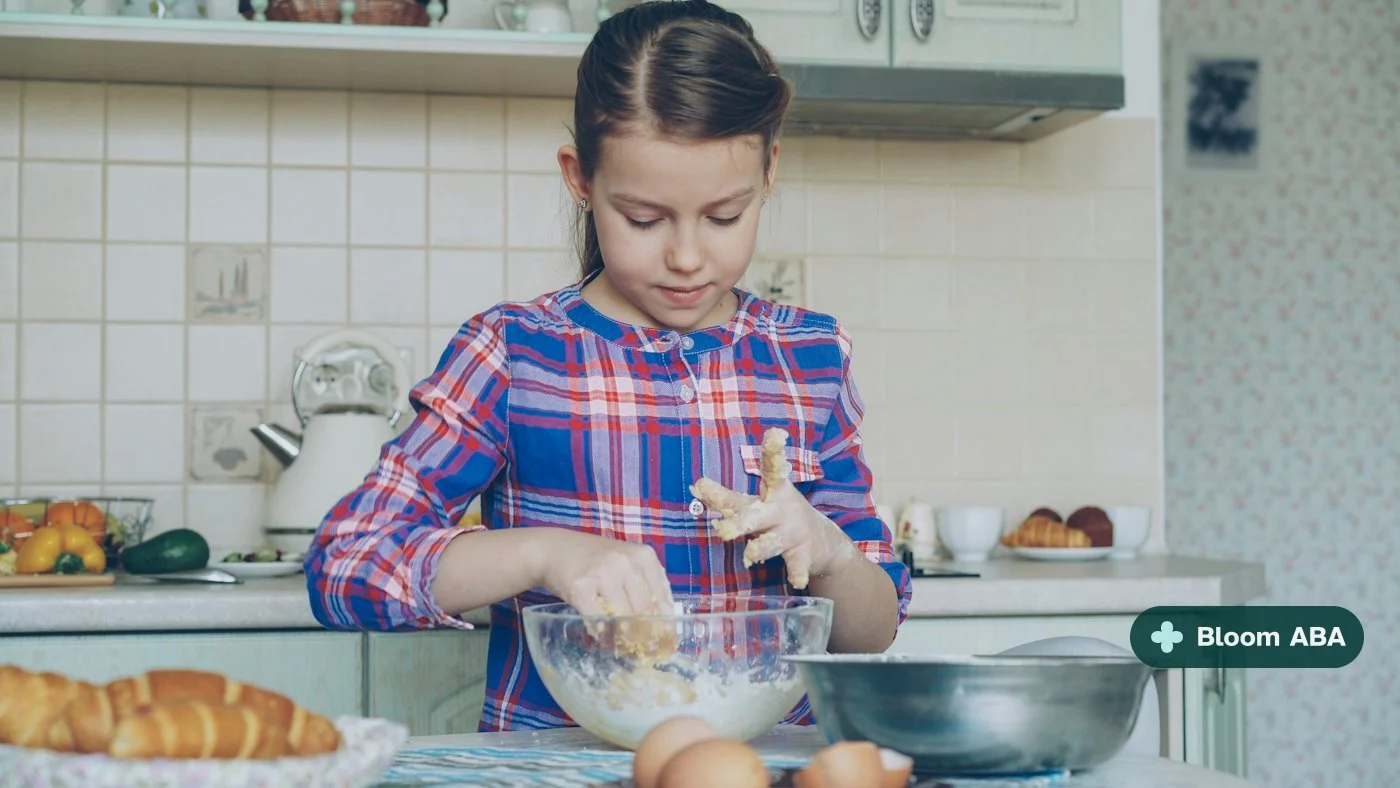
Setting the Dinner Table Step by Step: A Life Skills Practice Activity
Photo by Vitaly Gariev on Unsplash

How to do it

  1. Sit together with your child and look at the picture checklist for setting the table.
  2. Take out one placemat and place it gently in front of your child’s seat.
  3. Ask your child to place the plate right in the middle of the placemat.
  4. Help your child set the napkin down next to the plate using gentle hand-over-hand guidance if needed.
  5. Add the fork on one side of the plate and the spoon on the other side.
  6. Place a cup near the top corner of the placemat to finish the setup.
  7. Step back together, look at the finished table, and share a warm, encouraging smile for a job well done.

Make it easier or harder

  • Use a visual placemat with clear outlines so your child knows exactly where each dish goes.
  • Start by having your child practice just one item, like putting down the napkin, before adding more steps.
  • Offer specific, enthusiastic praise the moment your child tries a step independently.
  • For an extra challenge, have your child count out enough plates for everyone in the family.

Skills your child practises

  • Following a step-by-step routine
  • Matching objects to picture outlines
  • Building fine motor control and coordination
  • Developing independence during daily family tasks

Every child learns daily routines at their own unique pace, so keep things relaxed and fun!

For more personalized guidance on building daily routines, school transitions, or finding Ontario Autism Program funding support, book your free 20-minute call with the Bloom ABA team today.

Cover image: photo by Vitaly Gariev on Unsplash
Making an October Calm-Down Bottle Together

When autumn brings busy school transitions and big feelings, having a helpful tool ready can make all the difference. Today, we are making an October-themed calm-down bottle together! Watching the slow-moving glitter inside helps children ground themselves, slow their breathing, and gently reset when emotions feel overwhelming.

What you need

  • A clear plastic bottle with a secure cap
  • Warm water
  • Clear liquid hand soap or clear hair gel
  • Autumn-coloured glitter (like orange, gold, and red)
  • Optional: small autumn-themed sequins or plastic leaves
  • Super glue or hot glue to seal the cap
Making an October Calm-Down Bottle Together
Photo by Leo Rivas on Unsplash

How to do it

  1. Find a comfortable, quiet workspace at home where you and your child can craft together.
  2. Fill the clear plastic bottle about three-quarters full with warm water.
  3. Add a few drops of clear liquid soap or a squirt of clear hair gel to thicken the water so the glitter falls slowly.
  4. Let your child carefully spoon or sprinkle orange, gold, and red glitter into the bottle.
  5. Add any small autumn sequins if you are using them, remembering adult supervision is always needed, especially to avoid small parts for children who put things in their mouths.
  6. Top the bottle off with a little more warm water, leaving just a tiny bit of air at the top.
  7. Apply super glue or hot glue securely around the inside of the cap before twisting it on tightly so it stays leak-proof.
  8. Turn the bottle upside down together and watch the autumn glitter gently swirl and settle.

Make it easier or harder

  • Use visual supports by pointing to a picture card of a slow breath while watching the glitter settle.
  • Offer gentle, positive prompting by saying, “Let’s watch the red leaf float down together.”
  • Provide specific praise for trying a new calm-down tool, such as, “I love how gently you are shaking the bottle.”
  • Make it harder by challenging your child to take three slow, deep breaths before they are allowed to pick up and shake the bottle again.

Remember, every child’s pace is different when learning to navigate big feelings, so be patient and celebrate small moments of calm.

Skills your child practises

  • Emotional regulation through visual soothing tools
  • Fine motor skills while pouring and stirring ingredients
  • Joint attention and shared enjoyment with a caregiver

Cover image: photo by Xavier Mouton Photographie on Unsplash

Fall Apple Picking Language Game

Welcome to our weekly teaching activity! Today we are sharing a fun fall apple-picking game that encourages requesting, labelling, and turn-taking. Playing together is a wonderful way to help your child build communication skills while enjoying an autumn theme right in your living room.

What you need

  • A small basket or container
  • Red and green paper cut into simple apple shapes
  • A pair of tongs or a large spoon
  • Paper and crayons for labelling
Fall Apple Picking Language Game
Photo by Vitaly Gariev on Unsplash

How to do it

  1. Scatter the paper apples across the floor or a low table.
  2. Sit together with your child and hold the basket.
  3. Ask your child to pick a colour by pointing or saying the word.
  4. Use the tongs or spoon to pick up the matching apple.
  5. Practise naming the colour and the fruit together.
  6. Take turns so your child gets a chance to hand you an apple.
  7. Place the apples safely inside the basket together.

Remember to celebrate every small success and keep the game fun and pressure-free.

Make it easier or harder

  • Use visual supports like picture cards if your child needs help communicating their choice.
  • Offer gentle physical or verbal prompting, paired with warm praise and encouragement.
  • Adjust the number of apples to match your child’s focus and energy levels.

Skills your child practises

  • Requesting items and making choices
  • Labelling colours and simple objects
  • Taking turns during a shared activity
  • Following simple directions at their own pace

Cover image: photo by Barnabas Piper on Unsplash

Cozy Autumn Sensory Bin: Exploring Fall Textures Together

Autumn brings wonderful changes in weather, sights, and textures, making it a perfect time for hands-on learning. This cozy autumn sensory bin invites you and your child to explore dry corn kernels, small gourds, pinecones, and cinnamon sticks together. This calming, tactile activity helps children engage their senses, practise focus, and unwind during a busy day. Always supervise your child closely during sensory play, and be mindful to avoid small items if your child still puts objects in their mouth.

What you need

  • A shallow plastic storage bin or tray
  • Dry corn kernels, uncooked rice, or dried beans as a base
  • A collection of safe autumn items like clean pinecones, small faux pumpkins, and autumn leaves
  • Small cups, spoons, and scoops
  • A few cinnamon sticks for gentle scent exploration
Cozy Autumn Sensory Bin: Exploring Fall Textures Together
Photo by Kelli McClintock on Unsplash

How to do it

  1. Find a comfortable, quiet spot at a table or on the floor where you and your child can sit together.
  2. Pour the dry corn kernels or rice into the bottom of the shallow bin to create your base.
  3. Invite your child to help place the pinecones, small pumpkins, and autumn leaves into the bin.
  4. Place the small cups, spoons, and scoops next to the bin.
  5. Show your child how to scoop the dry base material and pour it gently into the cups.
  6. Encourage your child to touch the smooth pumpkins and the bumpy pinecones, talking about how they feel.
  7. Smell the cinnamon sticks together and take a slow, deep breath.
  8. Take your time, follow your child’s lead, and enjoy exploring at your own pace.

Make it easier or harder

  • Visual supports: Use a simple picture schedule showing the steps of playing with the bin and cleaning up afterward.
  • Prompting and praise: Offer gentle hand-over-hand guidance if your child needs help holding a scoop, and provide warm, specific praise like, “I love how gently you are pouring the corn.”
  • Adjusting challenge: Hide a few preferred small toys inside the bin for your child to search for and find, or reduce the number of items if the bin feels too overwhelming.

Skills your child practises

  • Fine motor skills through scooping and pouring
  • Tactile exploration of different textures
  • Self-regulation and calming through focused sensory play
  • Receptive language by identifying autumn objects

Remember that every child explores at their own unique pace, so keep the atmosphere relaxed, fun, and pressure-free.

If you would like more personalized teaching resources or guidance tailored to your child’s needs, we invite you to book a free 20-minute call with our team at Bloom ABA.

Cover image: photo by Mina Rad on Unsplash

Animals and Their Homes: A One-Week Themed Learning Plan

Welcome to a brand-new week of themed learning! This week, we are exploring animals and their homes. Whether you are learning at home, in a classroom, or with a therapist, this plan brings cozy autumn animal habitats to life through fun, hands-on play. Remember that every child’s pace is different, and all plans should be adapted to each child’s own goals.

Goals for the week

  • Communication: Building animal vocabulary and practicing requesting items or turns.
  • Early literacy: Listening to animal stories and matching pictures to words.
  • Early math: Sorting animals by size or counting how many animals fit in a home.
  • Social-emotional: Exploring how animals rest and feel safe, supporting our own emotional regulation.
  • Fine and gross motor: Practicing tearing paper for nests, crawling like bears, and hopping like frogs.
Animals and Their Homes: A One-Week Themed Learning Plan
Photo by Nataliee Shell on Unsplash

Day-by-day plan

Monday

Main activity: Bird nests. Read a simple book about birds, then use yarn, twigs, and shredded paper to build a cozy nest. Quick extension: Hide a toy bird inside and practice asking ‘Where is the bird?’

Tuesday

Main activity: Bear caves. Build a blanket fort ‘cave’ in the living room and practice crawling inside. Quick extension: Practice taking turns going into the cave with a partner.

Wednesday

Main activity: Pond habitats. Fill a shallow tray with water and plastic frogs, and practice splashing gently and counting the frogs. Quick extension: Practice making animal sounds together.

Thursday

Main activity: Animal sorting. Print pictures of different animals and their homes, then draw lines to match them up. Quick extension: Sort the animal toys by big and small.

Friday

Main activity: Beehives. Paint yellow stripes on paper rolls to make a beehive and practice finger-tapping like buzzing bees. Quick extension: Practice deep breathing in and out like a resting bear.

Materials

  • Toy animals and plastic figures
  • Paper, yarn, twigs, and craft supplies
  • Blankets and cushions for building dens
  • Books about animals and their habitats

Tracking progress

  • Notice how your child communicates choices during play.
  • Note which textures and activities bring the most joy.
  • Observe how your child manages transitions between activities.

Every step forward is a celebration, no matter how small.

If you have questions about tailoring these activities or supporting your child’s learning journey, we are here to help. Reach out to book your free 20-minute call with our team today!

Cover image: photo by Michał Bożek on Unsplash

Autumn Pumpkin Pass: A Fun Game for Practising Taking Turns

When the crisp October air arrives in Ontario, it is a wonderful time to bring seasonal fun indoors while helping your child build important social skills. This simple game uses a small autumn pumpkin or soft toy to help children, siblings, or peers practise waiting, sharing, and taking turns in a low-pressure way. Every child’s pace is different, and playful games are a gentle way to connect without any rush.

What you need

  • A small, lightweight plastic pumpkin or a soft fall-themed toy
  • Two or more players (parents, siblings, or friends)
  • A simple visual turn-taking card or token if helpful
Autumn Pumpkin Pass: A Fun Game for Practising Taking Turns
Photo by Ana Klipper on Unsplash

How to do it

  1. Sit together on the floor facing each other in a circle or a comfortable row.
  2. Show the pumpkin to the players and name whose turn it is first using a clear visual or verbal cue.
  3. Gently roll or pass the pumpkin to the first person while saying, “It is your turn to hold the pumpkin.”
  4. Encourage the person holding the pumpkin to wait patiently for a count of three before passing it to the next player.
  5. Practise saying “my turn” and “your turn” softly as the pumpkin moves from person to person.
  6. Keep the game light and fun, focusing on the joy of passing the object together rather than strict rules.
  7. End the game with plenty of warm praise and a transition to a quiet activity.

Make it easier or harder

  • Use physical hand-over-hand guidance if your child is still learning how to pass an item to someone else.
  • Add a visual timer or a special token to make waiting easier to understand.
  • Offer specific, enthusiastic praise every time your child successfully waits for their turn or shares the pumpkin.

Skills your child practises

  • Taking turns during a shared activity
  • Practising patience and waiting
  • Sharing items with peers or family members

Remember, keep the atmosphere warm and positive, and feel free to book a free 20-minute call with Bloom ABA if you need more personalized ideas for your child.

Cover image: photo by Vitaly Gariev on Unsplash
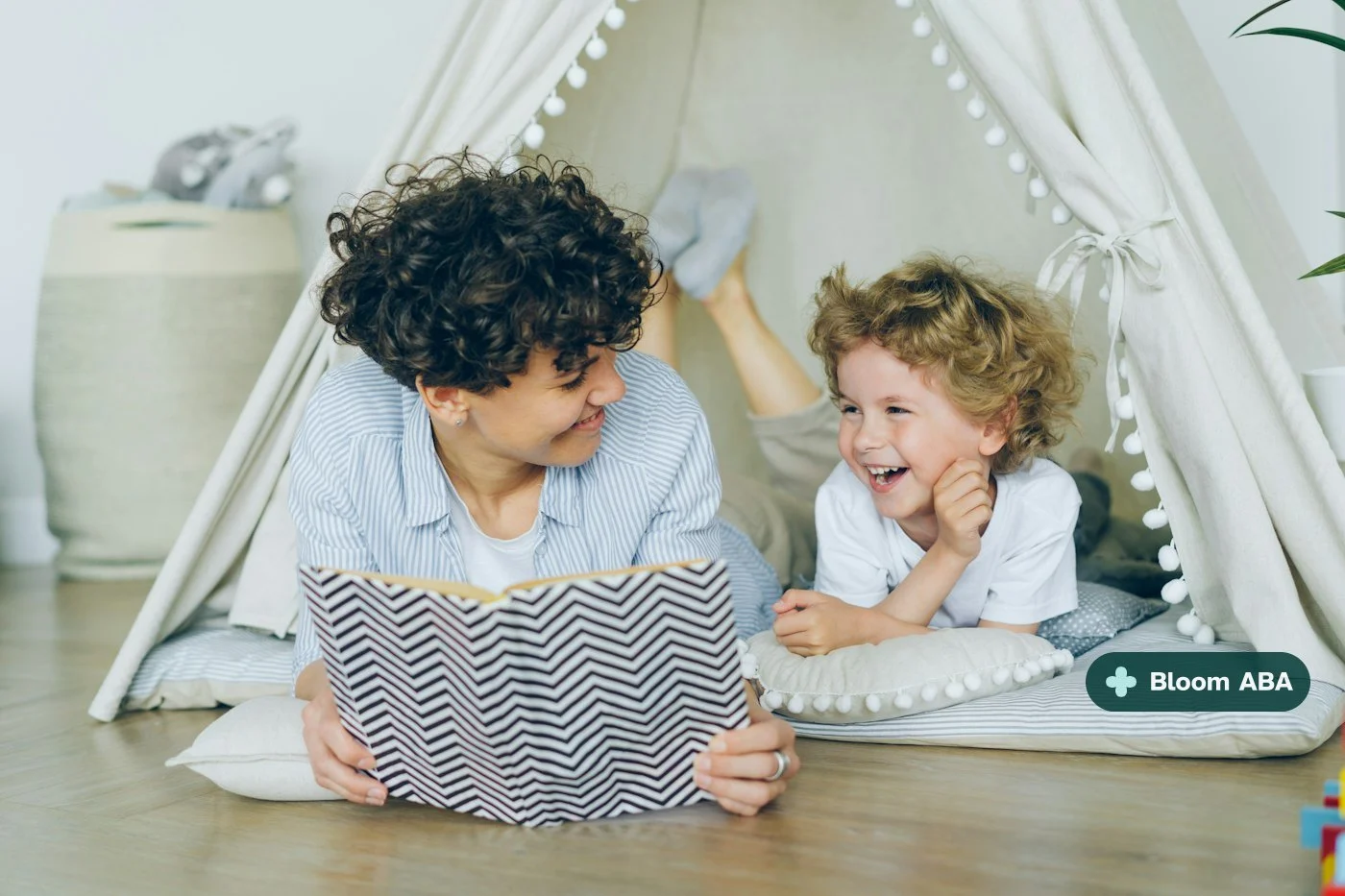
Exploring Our Five Senses: A One-Week Themed Learning Plan

Welcome to a cozy week of sensory exploration! As the crisp autumn air settles in across Ontario, it is a wonderful time to notice how we experience the world around us. This week-long plan focuses on our five senses, using simple, hands-on activities that you can easily use at home or in a small group. Please remember that plans should always be adapted to each child’s own goals and pace.

Goals for the week

  • Communication: Using sensory words like soft, loud, bumpy, and sweet during play.
  • Early literacy: Matching pictures of autumn items to descriptive words.
  • Early math: Sorting leaves and items by texture, size, or sound.
  • Social-emotional: Exploring calming sensory tools and sharing observations together.
  • Fine and gross motor: Practicing pinching, grasping, and moving through space safely.
Exploring Our Five Senses: A One-Week Themed Learning Plan
Photo by Alan Rodriguez on Unsplash

Day-by-day plan

Monday

Main activity: Sight walk around the yard or living room to spot orange, yellow, and red items. Extension: Point and name three items you see outside the window.

Tuesday

Main activity: Sound shaker bottles made with dry rice or pasta in recycled containers. Extension: Shake them softly and loudly to match a rhythm.

Wednesday

Main activity: Touch texture board featuring smooth stones, rough bark, and soft fabric. Extension: Close eyes and guess the texture by touch alone.

Thursday

Main activity: Smell jars filled with familiar autumn scents like cinnamon and pine. Extension: Talk about whether the smell feels cozy or strong.

Friday

Main activity: Taste test with simple, safe snacks like crunchy crackers and sweet apple slices. Extension: Describe how the food feels and tastes in your mouth.

Materials

  • Recycled plastic bottles with dry rice and pasta
  • Collection of autumn leaves, bark, and fabric scraps
  • Cotton balls with a touch of cinnamon or pine
  • Safe snack items like apple slices and crackers

Tracking progress

  • Notice which sensory experiences bring comfort or excitement.
  • Note new words used to describe textures, sounds, or sights.
  • Observe how your child engages with each daily activity.

Every child’s pace is different, and exploring the senses is all about curiosity and comfort.

If you would like more personalized guidance for your child, we invite you to book a free 20-minute call with our team at Bloom ABA to explore how our teaching resources and support plans can help.

Cover image: photo by Anita Jankovic on Unsplash

Finding Your Way: What to Look for in a Neuro-Affirming Support Team

When you are looking for professional guidance for your child, navigating the many available options can feel overwhelming for families. Every child’s pace is different, and finding a practice that truly aligns with your family’s values makes all the difference. Whether you are exploring support for Autism (ASD), ADHD, Dyslexia, Down Syndrome, Sensory Processing differences, Developmental Delay, or Speech & Language, knowing what to prioritize helps bring peace of mind.

Choosing a Compassionate, Neuro-Affirming Approach

A wonderful starting point is looking for a team that values a neuro-affirming practice and honors your child’s individuality. Support should never try to change who your child is, but rather empower them to thrive in ways that feel safe and natural. Toronto families benefit greatly from working with multidisciplinary teams holding credentials like OCT Certified, RECE Registered, and ABA Therapist backgrounds.

When evaluating potential providers, consider asking yourself a few guiding questions about their daily philosophy:

  • Do they focus on celebrating your child’s unique strengths and communication styles?
  • Is their environment welcoming and adaptable to different sensory needs?
  • Do they offer collaborative caregiver coaching to help you feel supported at home?
  • Can they support seamless transitions, from early years through to Ontario Autism Program school milestones?
Finding Your Way: What to Look for in a Neuro-Affirming Support Team
Photo by Gabe Pierce on Unsplash

Navigating Funding and Practical Next Steps

Managing the practical details of care, such as understanding the Ontario Autism Program: core clinical services, is an important part of the journey. Many families rely on OAP funding to help cover the cost of therapy and teaching resources, but keeping track of eligibility and paperwork can be tricky. Look for practices that offer dedicated coordinators who can guide you through documentation, funding plans, and expense reporting without added stress.

As part of getting an OAP funding allocation for core clinical services, you must report your expenses.

Beyond the administrative details, the right support team will always make space for your own emotional well-being as a caregiver. Raising a child with diverse needs is a journey filled with both beautiful moments and tiring days, and you deserve a supportive village behind you. Compassionate guidance from diagnosis onward helps ensure you never have to walk the path alone.

Take a deep breath and remember that you do not have to figure everything out all at once.

If you are wondering what your next steps might look like, we invite you to start with a simple conversation. You are welcome to book a free 20-minute call with our team at Bloom ABA to discuss your family’s unique needs, explore your funding options, and find a dedicated specialist who feels like the right fit.

Sources

Quotes are copied from the official pages linked above. This article is general information, not medical advice.

Cover image: photo by Adam Winger on Unsplash

Ready to support your child's brilliance?

Schedule a free 20-minute call with our team. We'll listen, and then we'll have a plan.

Small steps. Big possibilities.

Smiling child running outdoors