What a Day of ABA Teaching Resources and Support Looks Like

Welcome to Our Neuro-Affirming Practice

Families often wonder what it actually looks like when we work together to support children with Autism, ADHD, Dyslexia, and other unique developmental needs. Based right here in Toronto and serving families across the Greater Toronto Area and the virtual classroom in Ontario, our practice focuses on meeting each child where they are. We use a compassionate, whole-person approach that values every child’s individuality and unique pace of growth.

As part of understanding our services, many families look into programs like the Ontario Autism Program to help coordinate their child’s care and funding allocations. Whether sessions happen in person at home or through our live virtual classroom synced with Google Classroom, our team of OCT Certified, RECE Registered, and ABA specialists work hand in hand with caregivers every single step of the way.
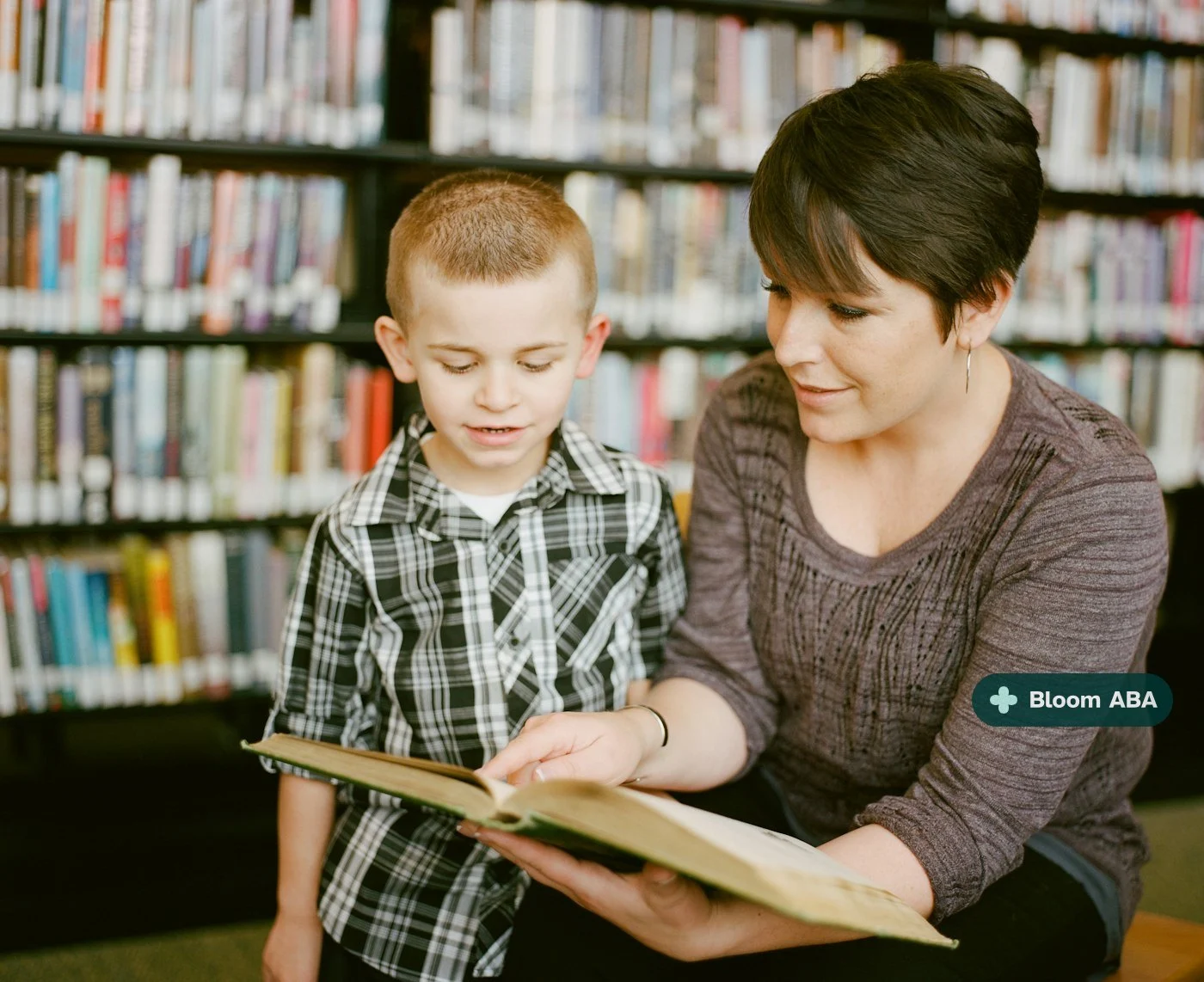
What a Day of ABA Teaching Resources and Support Looks Like
Photo by Adam Winger on Unsplash

A Closer Look at Our Teaching Resources and Daily Sessions

Our approach centers on theme-based daily, weekly, monthly, and yearly teaching packages designed to make learning engaging and accessible. When your child starts with us, the journey begins with a free 20-minute call to discuss your goals. From there, we build a personalized funding and support plan before your child is paired with a dedicated specialist who brings consistency and warmth to every interaction.

  • Compassionate guidance starting from an initial diagnosis through school transitions
  • Customized theme-based teaching packages delivered in person or virtually
  • Support for Autism, ADHD, Down Syndrome, and sensory processing differences
  • Assistance with documentation and navigating your child’s support options

We know that navigating developmental journeys can bring many questions about support options and eligibility. For instance,

The Ontario Autism Program (OAP) offers support to families of children and youth on the autism spectrum.— Government of Ontario, “Ontario Autism Program”

Our coordinators are always here to help families make sense of these pathways, ensuring you feel supported from diagnosis all the way through to classroom milestones.

Every child’s developmental journey unfolds at its own wonderful pace, and we are here to support your family every step of the way.

If you are ready to learn more about how our theme-based packages and dedicated specialists can support your child, we invite you to reach out. You can connect with our Toronto team at hello@bloomaba.ca or visit our guiding resources to learn about getting started with a free 20-minute introductory call today.

Sources

Quotes are copied from the official pages linked above. This article is general information, not medical advice.

Cover image: photo by Vitaly Gariev on Unsplash

A Practical Guide to Navigating Your OAP Funding Plan and Expense Reporting

Getting Started With Your AccessOAP Account and Documentation

Navigating the paperwork for your child’s support can sometimes feel overwhelming for families. Whether you are entirely new to the process or managing transitions, having clear information makes all the difference. To begin, register for the Ontario Autism Program through AccessOAP and provide all supporting documentation that they ask for. This step ensures your family is properly set up in the system to access the programs and financial support your child needs.

As part of getting an OAP funding allocation, families receive guidance from care coordinators who help determine support needs. However, staying organized with your paperwork is key to a smooth process. You will want to keep all receipts, records, and documentation neatly filed so you are always ready for the next steps in your funding journey.

A Practical Guide to Navigating Your OAP Funding Plan and Expense Reporting
Photo by Vivek Kumar on Unsplash

Understanding Expense Reporting and Reconciling Your Funding

Once you begin receiving your allocation, managing the administrative side requires a little routine attention.

As part of getting an OAP funding allocation for core clinical services, you must report your expenses.— Government of Ontario, “Ontario Autism Program: core clinical services”

This requirement helps keep everything transparent and ensures your funding continues without unnecessary delays.

To make the expense reporting process as stress-free as possible, here are a few practical habits to build:

  • Save digital copies of all receipts right away in a dedicated folder.
  • Review your eligible expenses regularly against the official program guidelines.
  • Submit your expense forms through your online account before your next payment.
  • Reach out to coordinators early if you have questions about specific categories.

Every child’s pace is different, and finding your rhythm with the paperwork takes time.

Take things one step at a time and remember that compassionate support coordinators are available to help you through every transition.

Moving Forward With Dedicated Toronto Specialists

Managing documentation is just one part of creating a nurturing environment for your child. Bloom ABA offers compassionate guidance from diagnosis through funding and school transitions to help your family thrive. Our team supports children with autism, ADHD, dyslexia, Down syndrome, sensory processing differences, developmental delays, and speech and language needs.

If you are looking for help building a personalized funding plan or want to learn more about our teaching resources, we invite you to take the first step. Get in touch with us at bloomaba.ca to schedule a free 20-minute call and chat with our dedicated specialists today.

Sources

Quotes are copied from the official pages linked above. This article is general information, not medical advice.

Cover image: photo by Nikola Saliba on Unsplash

Creating a Calm Corner: Practical Steps for Grocery Shopping Overwhelm

Navigating Everyday Outings with Confidence

Grocery shopping can sometimes feel like a sensory maze for children with Autism, ADHD, or sensory processing differences. Bright fluorescent lights, loud announcements, and bustling aisles can quickly lead to sudden emotional overwhelm. When your child feels flooded in public, it helps to have a gentle, predictable routine in place before you even step through the sliding doors.

As a neuro-affirming Toronto practice, we know that every child experiences the world at their own unique pace. Instead of rushing through the errand, try viewing the trip through your child’s sensory lens. Small adjustments can make a big difference in helping everyone stay grounded and connected.

Creating a Calm Corner: Practical Steps for Grocery Shopping Overwhelm
Photo by Xavier Mouton Photographie on Unsplash

Simple Steps for a Smoother Trip

Preparing for an outing does not have to be complicated. By taking a few proactive steps before leaving the house, you can help your child feel more secure and ready for the change in environment. Here are a few practical strategies to try on your next trip:

  • Preview the outing using simple pictures or a visual schedule of what you will buy.
  • Pack a small comfort bag with noise-canceling headphones, a favourite fidget toy, and a familiar snack.
  • Choose quieter shopping hours when the store is less crowded and noisy.
  • Give your child a specific job, such as holding the grocery list or picking out the apples.

Every child’s pace is different, and finding what works best is a gentle journey of trial and error.

Building Long-Term Support and Resilience

Navigating emotional regulation is an ongoing process that involves both patience and the right community support. Families often explore various avenues of guidance, including foundational family services to help build practical coping strategies at home and in the community.

You can choose to access these services at any point based on your needs, at no cost.— Government of Ontario, “Ontario Autism Program: foundational family services”

If you would like individualized guidance tailored to your child’s specific sensory or emotional needs, we invite you to book a free 20-minute call with our team. We are always here to listen, answer your questions, and help you build a supportive plan that fits your family.

Sources

Quotes are copied from the official pages linked above. This article is general information, not medical advice.

Cover image: photo by Johnny Cohen on Unsplash

Ready to support your child's brilliance?

Schedule a free 20-minute call with our team. We'll listen, and then we'll have a plan.

Small steps. Big possibilities.

Smiling child running outdoors