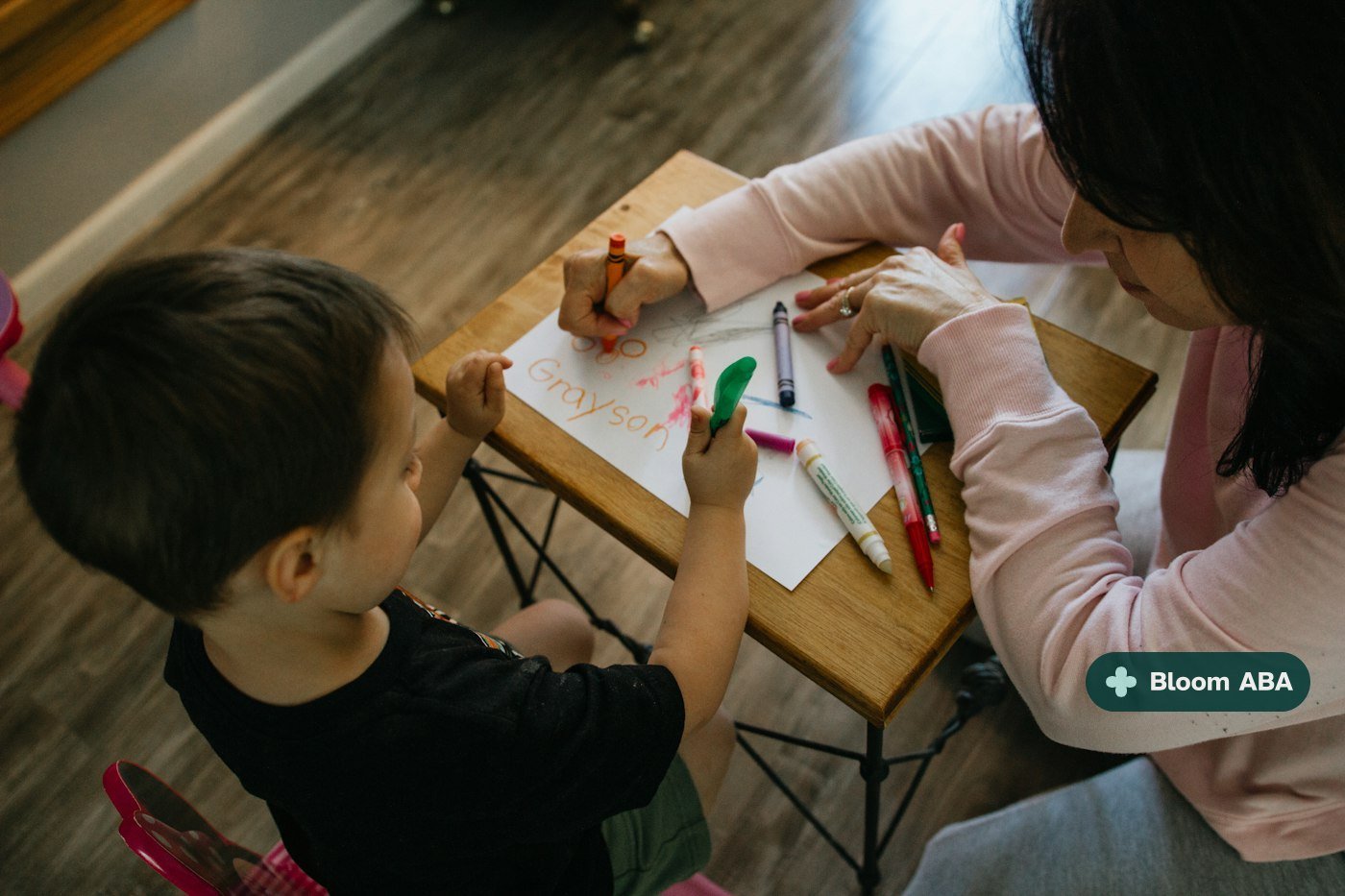
What a Day of ABA Teaching Resources and Support Looks Like

Welcome to Our Neuro-Affirming Practice

Families often wonder what it actually looks like when we work together to support children with Autism, ADHD, Dyslexia, and other unique developmental needs. Based right here in Toronto and serving families across the Greater Toronto Area and the virtual classroom in Ontario, our practice focuses on meeting each child where they are. We use a compassionate, whole-person approach that values every child’s individuality and unique pace of growth.

As part of understanding our services, many families look into programs like the Ontario Autism Program to help coordinate their child’s care and funding allocations. Whether sessions happen in person at home or through our live virtual classroom synced with Google Classroom, our team of OCT Certified, RECE Registered, and ABA specialists work hand in hand with caregivers every single step of the way.
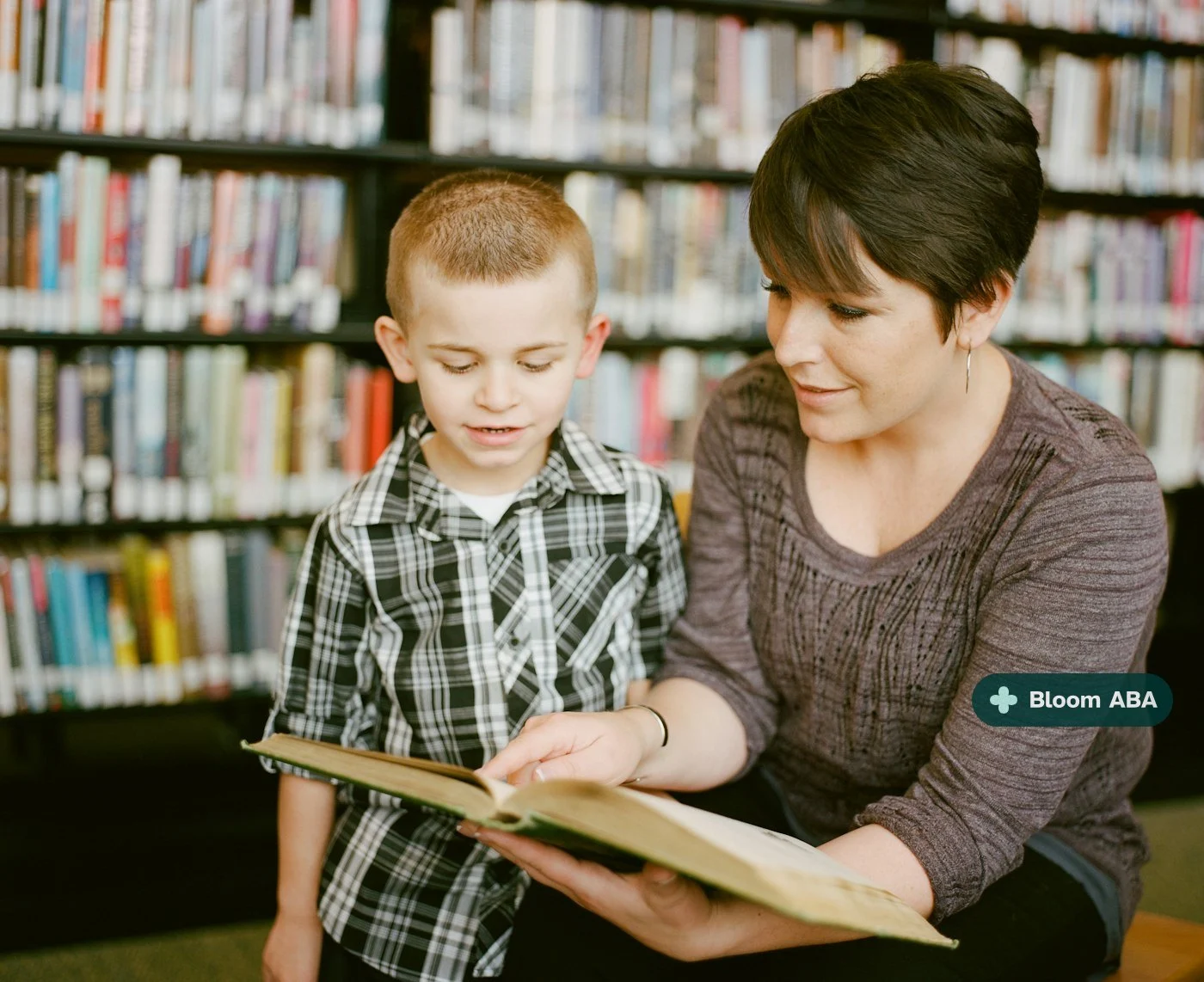
What a Day of ABA Teaching Resources and Support Looks Like
Photo by Adam Winger on Unsplash

A Closer Look at Our Teaching Resources and Daily Sessions

Our approach centers on theme-based daily, weekly, monthly, and yearly teaching packages designed to make learning engaging and accessible. When your child starts with us, the journey begins with a free 20-minute call to discuss your goals. From there, we build a personalized funding and support plan before your child is paired with a dedicated specialist who brings consistency and warmth to every interaction.

  • Compassionate guidance starting from an initial diagnosis through school transitions
  • Customized theme-based teaching packages delivered in person or virtually
  • Support for Autism, ADHD, Down Syndrome, and sensory processing differences
  • Assistance with documentation and navigating your child’s support options

We know that navigating developmental journeys can bring many questions about support options and eligibility. For instance,

The Ontario Autism Program (OAP) offers support to families of children and youth on the autism spectrum.— Government of Ontario, “Ontario Autism Program”

Our coordinators are always here to help families make sense of these pathways, ensuring you feel supported from diagnosis all the way through to classroom milestones.

Every child’s developmental journey unfolds at its own wonderful pace, and we are here to support your family every step of the way.

If you are ready to learn more about how our theme-based packages and dedicated specialists can support your child, we invite you to reach out. You can connect with our Toronto team at hello@bloomaba.ca or visit our guiding resources to learn about getting started with a free 20-minute introductory call today.

Sources

Quotes are copied from the official pages linked above. This article is general information, not medical advice.

Cover image: photo by Vitaly Gariev on Unsplash
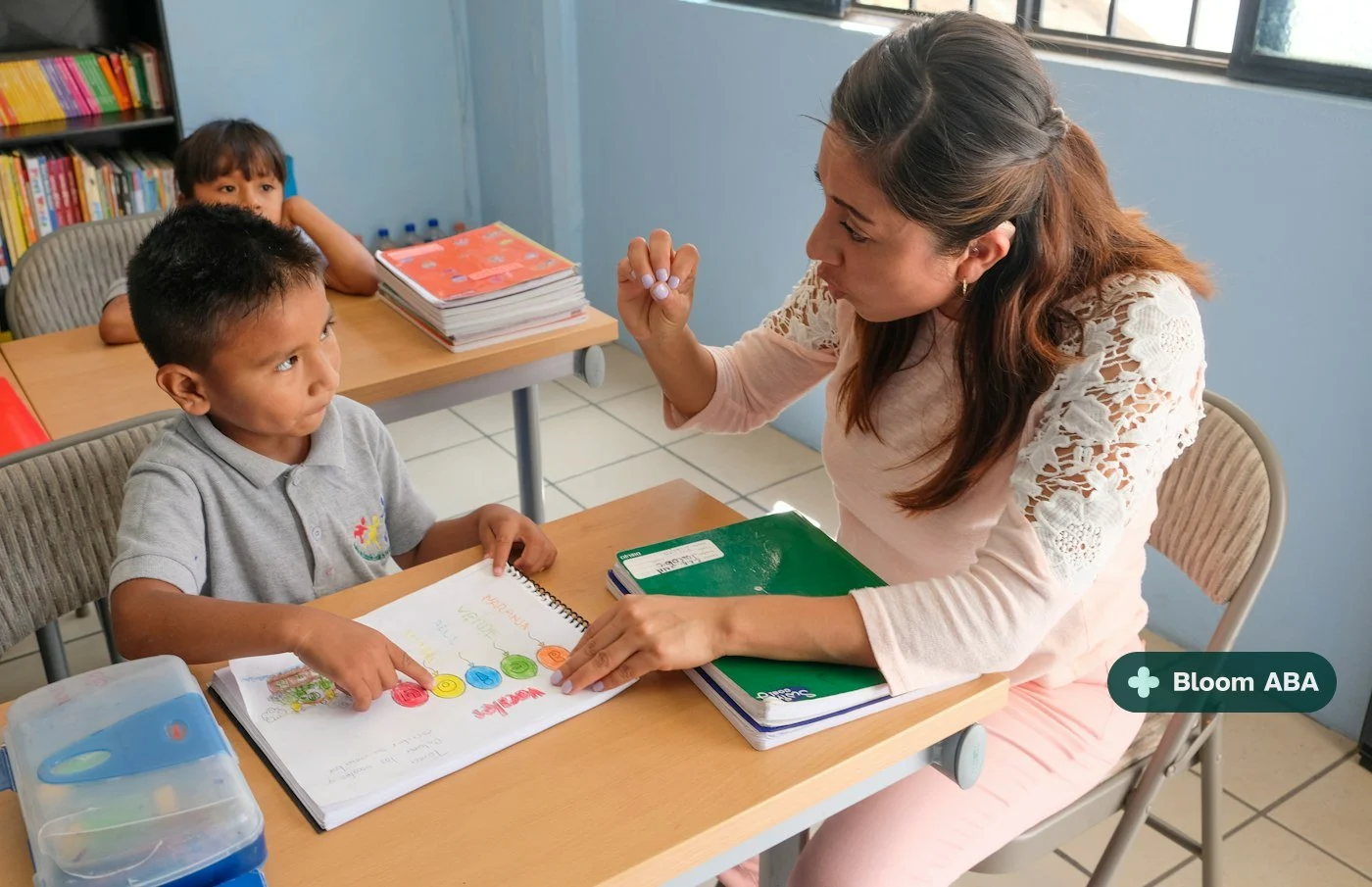
Under the Sea: A One-Week Themed Learning Plan

Dive into an exciting underwater adventure with our Under the Sea weekly learning plan! Whether you are learning at home or in a small group, this theme brings the ocean to life with hands-on fun. Remember that plans should be adapted to each child’s own goals and unique pace.

Goals for the week

  • Communication: Practice new ocean vocabulary such as fish, wave, shell, and blue.
  • Early literacy: Point to matching picture cards and explore sea-themed books together.
  • Early math: Count plastic sea animals or blue counting stones up to five.
  • Social-emotional: Take turns choosing ocean toys and share sensory materials.
  • Fine and gross motor: Practice pinching playdough or moving our bodies like swimming fish.
Under the Sea: A One-Week Themed Learning Plan
Photo by Ronald Felton on Unsplash

Day-by-day plan

Monday

Main activity: Create a blue water sensory bin using water beads or blue paper strips, adding plastic fish.
Quick extension: Hide two fish in the bin and ask your child to find them.

Tuesday

Main activity: Read a short story about ocean animals and point to the pictures.
Quick extension: Make a splashing sound every time a fish appears in the story.

Wednesday

Main activity: Sort sea creatures by color into matching bowls.
Quick extension: Count how many blue creatures are in the bowl together.

Thursday

Main activity: Paint paper plates blue and glue on paper fish scales.
Quick extension: Practice wiping fingers with a towel and naming the color blue.

Friday

Main activity: Pretend to swim like different sea animals across the room.
Quick extension: Freeze like a starfish when the music stops.

Every child learns and grows at their own wonderful pace, so have fun and celebrate every small step along the way!

Materials

  • Blue sensory bin materials or paper strips
  • Plastic sea animals or flashcards
  • Ocean-themed picture books
  • Blue paint and paper plates
  • Counting bowls and small toys

Tracking progress

  • Notice when your child uses a new ocean word or sign.
  • Note if they enjoy sharing space and materials during group play.
  • Observe how they manage sensory textures like water or paint.

For more personalized guidance or support, book a free 20-minute call with our Toronto-based team to learn how we can help your child thrive.

Cover image: photo by Alan Rodriguez on Unsplash

Blast Off to Learning: An Outer Space Themed Week

Ready to launch? This week, we are taking a trip to the stars with an exciting Outer Space theme! Whether you are learning at home, in a small group, or supporting a young learner through our ABA teaching resources, this plan brings the magic of the galaxy right to your fingertips. Remember, every plan should be adapted to each child’s own unique goals and pace.

Goals for the week

  • Communication: Practice asking for items and using space-related words like up, star, and moon.
  • Early literacy: Explore space books and identify letters in words like sun and moon.
  • Early math: Count star cutouts and sort rockets by size.
  • Social-emotional: Practice taking turns during group games and breathing like calm astronauts.
  • Fine and gross motor: Reach high for stars and practice pinching small star stickers.
Blast Off to Learning: An Outer Space Themed Week
Photo by Jonathan Borba on Unsplash

Day-by-day plan

Monday

Main activity: Make a cardboard box rocket ship together, taking turns painting it with bright colours.
Quick extension: Practice sitting inside the rocket and counting down from five to one before blasting off.

Tuesday

Main activity: Create starry night art using dark paper, white paint, and sponges.
Quick extension: Count the painted stars together as they dry.

Wednesday

Main activity: Play a space walk game, moving slowly like astronauts in low gravity.
Quick extension: Practice deep belly breathing to calm down after moving around.

Thursday

Main activity: Sort different coloured paper planets and star shapes into matching bins.
Quick extension: Name the colours and count how many items fit in each bin.

Friday

Main activity: Read a simple book about the moon and point out the bright pictures.
Quick extension: Talk about bedtime routines using calm star-gazing visuals.

Materials

  • Cardboard boxes and washable paint
  • Dark construction paper and sponges
  • Star stickers and coloured paper cutouts
  • Favourite space-themed picture books

Tracking progress

  • Notice when your child uses a new space word or points to a picture.
  • Note how well they take turns during the rocket painting activity.
  • Observe if they enjoy the deep pressure movements during the space walk game.

Every child learns at their own pace, so have fun exploring the stars together and celebrate every small step!

If you would like more support tailored to your child, feel free to book a free 20-minute call with our team at Bloom ABA.

Cover image: photo by National Cancer Institute on Unsplash

Finding Your Way: What to Look for in a Neuro-Affirming Support Team

When you are looking for professional guidance for your child, navigating the many available options can feel overwhelming for families. Every child’s pace is different, and finding a practice that truly aligns with your family’s values makes all the difference. Whether you are exploring support for Autism (ASD), ADHD, Dyslexia, Down Syndrome, Sensory Processing differences, Developmental Delay, or Speech & Language, knowing what to prioritize helps bring peace of mind.

Choosing a Compassionate, Neuro-Affirming Approach

A wonderful starting point is looking for a team that values a neuro-affirming practice and honors your child’s individuality. Support should never try to change who your child is, but rather empower them to thrive in ways that feel safe and natural. Toronto families benefit greatly from working with multidisciplinary teams holding credentials like OCT Certified, RECE Registered, and ABA Therapist backgrounds.

When evaluating potential providers, consider asking yourself a few guiding questions about their daily philosophy:

  • Do they focus on celebrating your child’s unique strengths and communication styles?
  • Is their environment welcoming and adaptable to different sensory needs?
  • Do they offer collaborative caregiver coaching to help you feel supported at home?
  • Can they support seamless transitions, from early years through to Ontario Autism Program school milestones?
Finding Your Way: What to Look for in a Neuro-Affirming Support Team
Photo by Gabe Pierce on Unsplash

Navigating Funding and Practical Next Steps

Managing the practical details of care, such as understanding the Ontario Autism Program: core clinical services, is an important part of the journey. Many families rely on OAP funding to help cover the cost of therapy and teaching resources, but keeping track of eligibility and paperwork can be tricky. Look for practices that offer dedicated coordinators who can guide you through documentation, funding plans, and expense reporting without added stress.

As part of getting an OAP funding allocation for core clinical services, you must report your expenses.

Beyond the administrative details, the right support team will always make space for your own emotional well-being as a caregiver. Raising a child with diverse needs is a journey filled with both beautiful moments and tiring days, and you deserve a supportive village behind you. Compassionate guidance from diagnosis onward helps ensure you never have to walk the path alone.

Take a deep breath and remember that you do not have to figure everything out all at once.

If you are wondering what your next steps might look like, we invite you to start with a simple conversation. You are welcome to book a free 20-minute call with our team at Bloom ABA to discuss your family’s unique needs, explore your funding options, and find a dedicated specialist who feels like the right fit.

Sources

Quotes are copied from the official pages linked above. This article is general information, not medical advice.

Cover image: photo by Adam Winger on Unsplash

What Can We Expect From Our First Few Weeks of Caregiver Coaching?

Navigating the First Steps Together

Starting support for your child can bring up a mix of different feelings, from relief to wondering what comes next. In those initial weeks, families often ask what caregiver coaching actually looks like in practice. As a Toronto-based practice supporting children with Autism (ASD), ADHD, Dyslexia, Down Syndrome, Sensory Processing differences, Developmental Delay, and Speech & Language, we want your family to feel completely at ease.

Every family’s journey is different, and our compassionate team of OCT Certified, RECE Registered, and ABA specialists is here to walk alongside you. Whether you are navigating a new diagnosis or preparing for school transitions, having a dedicated space to ask questions makes all the difference. We know that the abilities and needs of autistic people vary and can evolve over time, which is why our approach adapts as your child grows.

What Can We Expect From Our First Few Weeks of Caregiver Coaching?
Photo by Ana Klipper on Unsplash

What Happens in Your Initial Sessions?

During the first few weeks, we focus heavily on listening to your family’s unique story and understanding your daily routines. Many families wonder how to handle everyday moments, transitions, or emotional regulation support at home. Our team helps you build practical tools that fit naturally into your family life without adding extra stress.

Here are a few ways we partner with families during the early stages:

  • Building a personalized funding plan tailored to your needs.
  • Offering guidance through Ontario Autism Program (OAP) funding and expense reporting.
  • Providing theme-based daily, weekly, and monthly teaching packages.
  • Supporting emotional regulation and smooth daily transitions.

We also help families connect with valuable community resources. For instance,

Foundational family services are available free of charge to all families registered in the Ontario Autism Program.— Government of Ontario, “Ontario Autism Program: foundational family services”

Our coordinators are always happy to help you navigate eligibility and documentation so you can access everything your family deserves.

Moving Forward at Your Family’s Pace

Getting started with Bloom ABA is designed to be simple and stress-free for busy parents across the Greater Toronto Area and through our live virtual classroom. It begins with a free 20-minute call where we discuss your goals and answer your initial questions. From there, we build your funding plan together before your child starts working with their dedicated specialist.

Every small step you take today helps build a wonderfully supportive foundation for your child’s future.

Remember that you do not have to figure everything out all at once. Reach out to hello@bloomaba.ca to book your free 20-minute call, and let us help you take that very first gentle step forward.

Sources

Quotes are copied from the official pages linked above. This article is general information, not medical advice.

Cover image: photo by MI PHAM on Unsplash

Ready to support your child's brilliance?

Schedule a free 20-minute call with our team. We'll listen, and then we'll have a plan.

Small steps. Big possibilities.

Smiling child running outdoors