Setting the Dinner Table Step by Step: A Life Skills Practice Activity

Practicing life skills at home is a wonderful way to build daily independence. This week, we are looking at setting the dinner table together as a fun, step-by-step routine that helps your child feel proud and involved in family meals.

What you need

  • A set of child-friendly plates and bowls
  • Soft fabric napkins and dull spoons or plastic cutlery
  • A simple picture checklist showing each table item
  • A placemat with outlines drawn for where items go
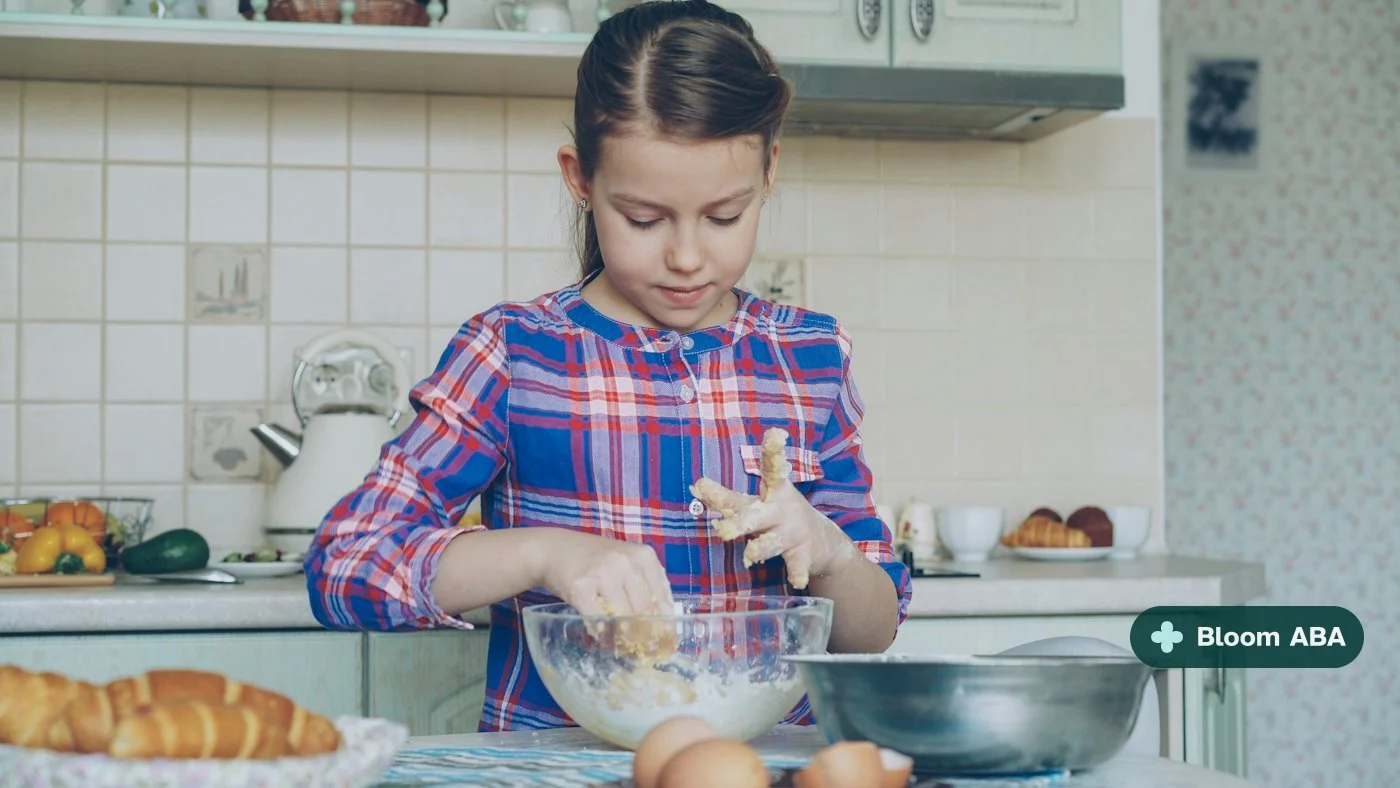
Setting the Dinner Table Step by Step: A Life Skills Practice Activity
Photo by Vitaly Gariev on Unsplash

How to do it

  1. Sit together with your child and look at the picture checklist for setting the table.
  2. Take out one placemat and place it gently in front of your child’s seat.
  3. Ask your child to place the plate right in the middle of the placemat.
  4. Help your child set the napkin down next to the plate using gentle hand-over-hand guidance if needed.
  5. Add the fork on one side of the plate and the spoon on the other side.
  6. Place a cup near the top corner of the placemat to finish the setup.
  7. Step back together, look at the finished table, and share a warm, encouraging smile for a job well done.

Make it easier or harder

  • Use a visual placemat with clear outlines so your child knows exactly where each dish goes.
  • Start by having your child practice just one item, like putting down the napkin, before adding more steps.
  • Offer specific, enthusiastic praise the moment your child tries a step independently.
  • For an extra challenge, have your child count out enough plates for everyone in the family.

Skills your child practises

  • Following a step-by-step routine
  • Matching objects to picture outlines
  • Building fine motor control and coordination
  • Developing independence during daily family tasks

Every child learns daily routines at their own unique pace, so keep things relaxed and fun!

For more personalized guidance on building daily routines, school transitions, or finding Ontario Autism Program funding support, book your free 20-minute call with the Bloom ABA team today.

Cover image: photo by Vitaly Gariev on Unsplash
Fall Leaf Jump Obstacle Course: A Fun Gross Motor Activity

When the crisp October air arrives across Ontario, finding fun ways to move indoors and outdoors helps burn extra energy. Today’s activity is a Fall Leaf Jump Obstacle Course, designed to help your child practise balance, jumping, and following a sequence of fun movements together.

What you need

  • Felt leaves or paper leaf cutouts (or real fallen leaves)
  • Painter’s tape to mark lines on the floor
  • A soft ball or small beanbag
  • A laundry basket or box for a target
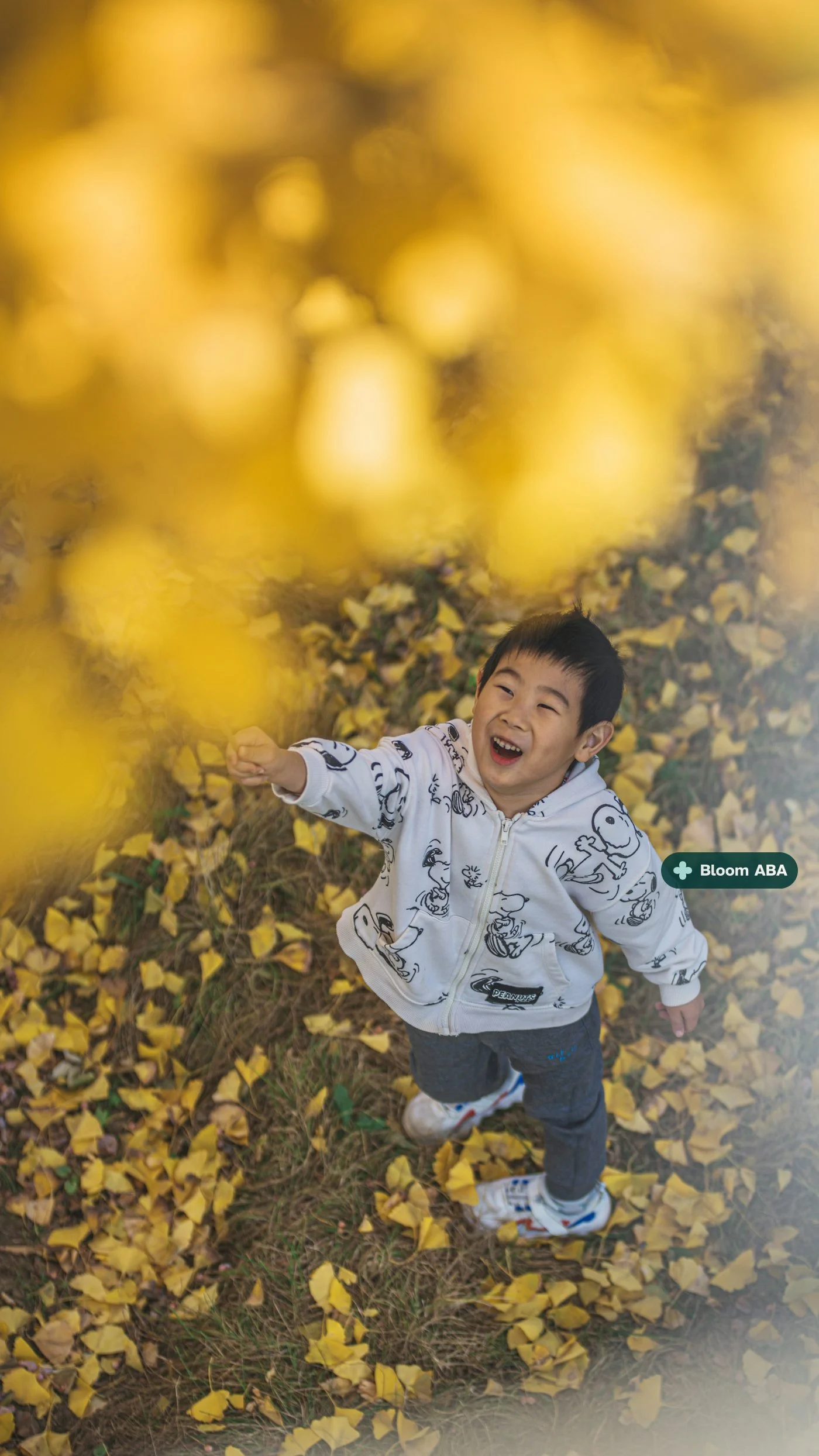
Fall Leaf Jump Obstacle Course: A Fun Gross Motor Activity
Photo by Tao Yuan on Unsplash

How to do it

<

  1. Clear a safe space in your living room, basement, or backyard, keeping adult supervision in mind.
  2. Use painter’s tape to create a winding path on the floor, reminding children to avoid small parts if they put items in their mouths.
  3. Place paper or felt leaves along the path as stepping stones.
  4. Draw simple picture cards showing each action: walking along the line, hopping on the leaves, and tossing the ball into the basket.
  5. Show your child the first picture card and model how to walk along the tape line.
  6. Guide your child to hop from one leaf to the next like a jumping frog or a blowing autumn leaf.
  7. End the course by having your child pick up the small ball and toss it into the laundry basket.
  8. Celebrate finishing the course with high-fives and enthusiastic praise!

Make it easier or harder

  • Use visual supports by pointing to picture cards for each step before your child moves.
  • Offer gentle physical or verbal prompting if your child feels unsure about where to step next.
  • Provide warm, specific praise for every small effort to keep engagement positive.
  • Make it harder by spacing the leaves further apart or adding a zig-zag line to the path.

Every child moves and learns at their own unique pace, so feel free to adapt these steps to fit your child’s comfort level today.

Skills your child practises

  • Gross motor planning and body awareness
  • Balance and coordination through jumping and walking
  • Following multi-step instructions using visual cues

If you have questions about supporting your child’s developmental milestones or navigating the Ontario Autism Program (Oap) funding, please reach out to us at Bloom Aba to book a free 20-minute call.

Cover image: photo by Paige Cody on Unsplash

Ready to support your child's brilliance?

Schedule a free 20-minute call with our team. We'll listen, and then we'll have a plan.

Small steps. Big possibilities.

Smiling child running outdoors